U. Of Illinois President Proposes 5 Ways To Restore Trust In Higher Ed
by Timesceo
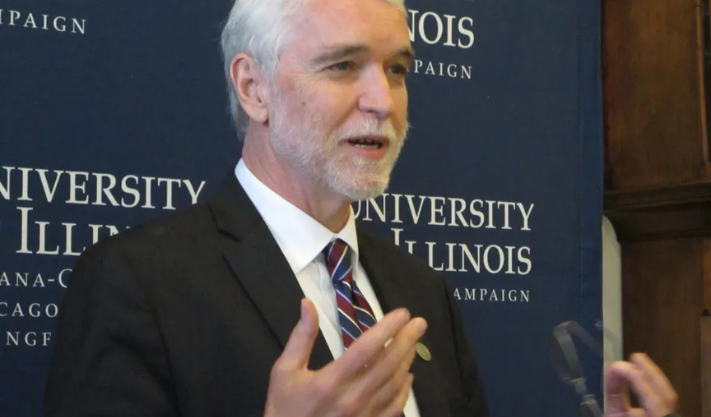
U. Of Illinois President Proposes 5 Ways To Restore Trust In Higher Ed
In an era marked by rapid societal change, growing skepticism toward institutions, and increasing scrutiny of academic value, the president of the University of Illinois has put forward a thoughtful framework aimed at restoring trust in higher education. Across the globe, universities have long been seen as pillars of knowledge, innovation, and opportunity. However, in recent years, public confidence in higher education has been challenged by rising tuition costs, questions about return on investment, concerns over political bias, and a perceived disconnect between academic institutions and real-world needs. To address these concerns, the proposal outlines five key strategies that aim to rebuild credibility, strengthen relationships with stakeholders, and ensure that higher education continues to serve as a transformative force in society.
1. Prioritizing Transparency and Accountability
The first and perhaps most critical step in restoring trust is increasing transparency in how universities operate. Many stakeholders—students, parents, policymakers, and taxpayers—seek clarity on how decisions are made, how funds are allocated, and what outcomes institutions are delivering. By openly sharing data on graduation rates, employment outcomes, research impact, and financial management, universities can demonstrate accountability and build confidence. Transparency also involves clear communication about tuition structures, financial aid policies, and institutional priorities. When people understand where their money is going and what value they are receiving, trust naturally begins to grow.
2. Enhancing Affordability and Access
The rising cost of higher education has become one of the most significant barriers to trust. Many students and families question whether a degree is worth the financial burden it often entails. The University of Illinois president emphasizes the need for institutions to actively address affordability by expanding scholarships, improving financial aid systems, and exploring innovative tuition models. In addition, increasing access for underrepresented and underserved communities is essential. Higher education must remain a pathway to upward mobility, not a privilege limited to a select few. By making education more inclusive and financially accessible, universities can reaffirm their commitment to equity and opportunity.
3. Strengthening Career Relevance and Outcomes
Another key concern among students is whether their education will lead to meaningful employment. To restore trust, universities must align academic programs with the evolving demands of the workforce. This includes collaborating with industries, integrating practical skills into curricula, and offering experiential learning opportunities such as internships, co-op programs, and real-world projects. By demonstrating a clear connection between education and career success, institutions can reassure students that their investment will yield tangible results. Furthermore, tracking and sharing employment outcomes helps validate the effectiveness of academic programs.
4. Promoting Open Dialogue and Academic Integrity
Higher education institutions are meant to be spaces for intellectual exploration and respectful debate. However, concerns about ideological bias and limited freedom of expression have contributed to declining trust. The proposal highlights the importance of fostering an environment where diverse perspectives are welcomed and academic integrity is upheld. Universities must encourage open dialogue, critical thinking, and evidence-based discussions while maintaining a commitment to truth and scholarly rigor. By creating a culture of inclusivity and intellectual honesty, institutions can reinforce their role as trusted sources of knowledge.
5. Demonstrating Societal Impact and Community Engagement
Finally, universities must actively demonstrate their value to society beyond the classroom. Research, innovation, and community engagement are key areas where higher education can make a tangible difference. Whether it is addressing global challenges such as climate change, advancing medical breakthroughs, or supporting local economic development, universities play a crucial role in shaping the future. By highlighting these contributions and engaging directly with communities, institutions can strengthen public perception and rebuild trust. When people see the real-world impact of higher education, they are more likely to view it as an essential and valuable institution.
Beyond these five core strategies, the proposal also underscores the importance of leadership in driving meaningful change. University leaders must be proactive, adaptable, and willing to listen to the concerns of students, faculty, and the broader public. Effective leadership involves not only setting a vision but also taking concrete actions to achieve it. Collaboration across institutions, governments, and industries is also vital in addressing systemic challenges and creating sustainable solutions.
Moreover, the role of technology in reshaping higher education cannot be overlooked. Digital learning platforms, online degrees, and hybrid models have expanded access and flexibility, but they also raise questions about quality and effectiveness. Universities must ensure that technological advancements enhance, rather than compromise, the educational experience. By maintaining high standards and continuously evaluating outcomes, institutions can leverage technology to build trust rather than erode it.
Another important aspect is the need to redefine success in higher education. Traditionally, success has been measured by metrics such as enrollment numbers and rankings. However, a more holistic approach is needed—one that considers student well-being, lifelong learning, and societal contribution. By focusing on these broader outcomes, universities can better align their goals with the needs and expectations of modern society.
In addition, building trust requires consistent and authentic communication. Universities must engage with their audiences through multiple channels, providing accurate information and addressing concerns in a timely manner. Transparency in communication not only reduces misinformation but also fosters a sense of connection and trust between institutions and their stakeholders.
Ultimately, restoring trust in higher education is not a one-time effort but an ongoing process that requires commitment, innovation, and collaboration. The five strategies proposed by the University of Illinois president provide a clear roadmap for institutions seeking to rebuild their credibility and relevance in a rapidly changing world. By prioritizing transparency, affordability, career outcomes, open dialogue, and societal impact, universities can reaffirm their role as engines of progress and opportunity.
In conclusion, higher education remains one of the most powerful tools for personal and societal advancement. However, to maintain its significance and influence, it must adapt to the evolving expectations of students and society. The call to action is clear: universities must not only educate but also inspire trust through their actions, values, and impact. By embracing these principles, higher education can once again be seen as a trusted cornerstone of knowledge, innovation, and progress for generations to come.
Also Read:-
9 Signs Your Leadership Style Is Triggering Team Burnout
12 ChatGPT Prompts That Make You Think Like a CEO
Sensemaking Debt: When AI Answers Every Question And Leaders Stop Asking