Introduction
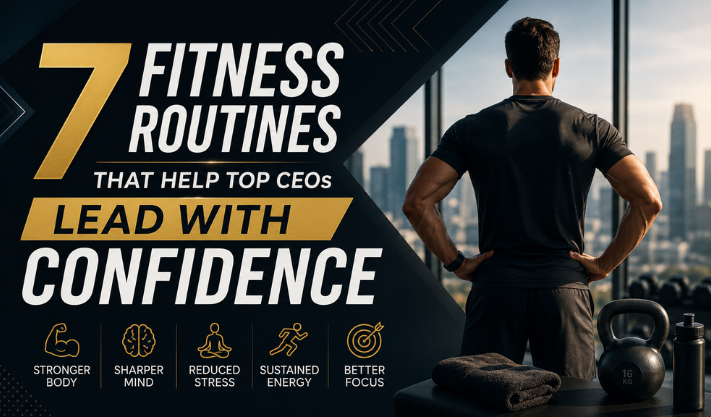
Successful CEOs know that leadership is not built only in boardrooms. It is also developed through healthy daily habits that strengthen the body, sharpen the mind, and improve emotional resilience. Many of the world’s most successful business leaders make fitness a non-negotiable part of their daily routine because it enhances decision-making, productivity, creativity, and confidence.
Whether you’re an entrepreneur, executive, startup founder, or aspiring leader, adopting the right fitness routine can help you perform at your highest level—both professionally and personally.
This guide explores seven fitness habits practiced by successful CEOs and explains how these routines contribute to stronger leadership, improved performance, and long-term success.
What fitness routines do successful CEOs follow?
Top CEOs prioritize consistency over intensity. Instead of exercising occasionally, they create daily habits that combine physical activity, recovery, healthy nutrition, and quality sleep.
Common fitness routines include:
- Morning workouts
- Strength training
- Cardiovascular exercise
- Walking meetings
- Yoga and stretching
- Meditation
- Outdoor activities
The goal isn’t simply staying fit—it’s maintaining peak mental and physical performance throughout the day.
Why Do CEOs Prefer Morning Workouts?
Morning Exercise Builds Momentum for the Entire Day
Many successful executives exercise before checking emails or attending meetings. Starting the day with physical activity minimizes distractions, establishes discipline, and creates a positive mindset.
Morning workouts offer several benefits, including:
- Higher energy levels
- Improved concentration
- Better mood
- Increased confidence
- Stronger self-discipline
Even a 30-minute workout can significantly boost productivity and mental clarity.
Voice Search Answer
Why do CEOs work out in the morning?
CEOs often exercise early because morning workouts improve focus, energy, discipline, and productivity before the workday begins.
Why Is Strength Training Important for Business Leaders?
Building More Than Physical Strength
Strength training isn’t only about increasing muscle mass. It also improves resilience, confidence, and the ability to handle workplace pressure.
Key benefits include:
- Increased physical endurance
- Greater self-confidence
- Better stress management
- Improved bone health
- Better posture
Resistance training also develops mental toughness by teaching patience, consistency, and continuous improvement.
Most busy professionals complete strength-training sessions three to five times each week.
Voice Search Answer
Can strength training improve leadership?
Yes. Strength training builds confidence, resilience, energy, and mental toughness, helping leaders perform more effectively under pressure.
How Does Cardio Improve Leadership Performance?
Better Heart Health Leads to Better Brain Performance
Cardiovascular exercise strengthens both the heart and the brain. Regular aerobic activity helps leaders stay focused, energized, and mentally sharp during demanding workdays.
Popular cardio exercises include:
- Running
- Cycling
- Swimming
- Rowing
- Brisk walking
Regular cardio can improve:
- Mental clarity
- Focus
- Memory
- Creativity
- Emotional control
Research also shows that aerobic exercise supports long-term brain health while reducing workplace stress.
Quick Answer
Cardio helps leaders think more clearly, handle pressure more effectively, and maintain consistent energy throughout the day.
Why Are Walking Meetings Becoming Popular Among CEOs?
Productivity Meets Physical Activity
Walking meetings allow executives to discuss business while staying active. Rather than sitting in conference rooms, many leaders brainstorm while walking outdoors or around the office.
Benefits include:
- Increased creativity
- Better communication
- Improved blood circulation
- Less sitting
- Higher engagement
Walking also encourages more relaxed conversations, making brainstorming sessions more productive.
Voice Search Answer
What is a walking meeting?
A walking meeting is a business discussion held while walking instead of sitting, helping improve creativity, communication, and physical activity.
Why Do Executives Practice Yoga and Stretching?
Flexibility Supports Better Leadership
Long work hours, frequent travel, and constant decision-making often create physical tension. Yoga and stretching help reduce muscle stiffness while improving flexibility, posture, and relaxation.
Benefits include:
- Better balance
- Reduced back pain
- Improved breathing
- Lower stress
- Increased body awareness
Even 15 minutes of stretching each day can improve comfort and reduce fatigue.
Quick Answer
Yoga helps CEOs maintain physical flexibility while improving emotional balance and stress management.
Why Is Meditation Part of Many CEOs’ Daily Routine?
Mental Fitness Is Essential for Effective Leadership
Mental fitness is just as important as physical fitness. Meditation trains the brain to stay calm, focused, and emotionally balanced during stressful situations.
Many successful executives meditate for 10 to 20 minutes each day.
Benefits include:
- Improved concentration
- Reduced anxiety
- Greater emotional intelligence
- Faster recovery from stressful situations
- Better decision-making
Mindfulness also helps eliminate distractions, allowing leaders to stay fully present during important meetings and conversations.
Voice Search Answer
Do successful CEOs meditate?
Yes. Many CEOs meditate daily because it improves focus, emotional control, stress management, and decision-making.
Also Read:-
Why Do Companies Want Entrepreneurs but Not Hire Them?
Which Small Business Ideas Should Entrepreneurs Start in 2026?
How Does Physical Capacity Impact Leadership Performance?