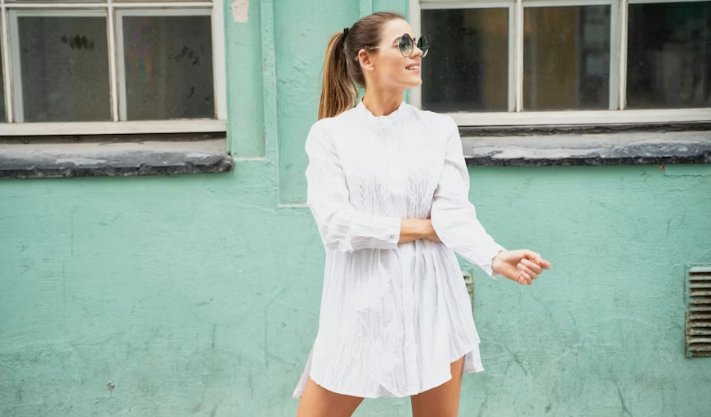
Paris Fashion Business Expands Despite Global Challenges
The Paris fashion business continues to demonstrate resilience and growth, even as the global economy faces uncertainty, supply chain disruptions, and shifting consumer behavior. Long regarded as the world’s fashion capital, Paris is proving that creativity, adaptability, and strategic innovation can help an industry thrive amid complex challenges.
Despite inflationary pressures and cautious consumer spending in many markets, Paris-based fashion houses and businesses are finding new ways to expand. Luxury brands, in particular, remain a key driver of growth. High-end fashion continues to attract global consumers who view luxury as both an emotional investment and a symbol of enduring craftsmanship. Parisian maisons have strengthened their appeal by reinforcing heritage values while embracing modern storytelling and digital engagement.
One of the strongest factors behind this expansion is Paris’s ability to balance tradition with innovation. Established fashion houses are investing heavily in technology, from digital design tools to data-driven retail strategies. E-commerce platforms, virtual showrooms, and livestreamed runway shows have expanded reach beyond traditional fashion weeks, allowing brands to engage directly with international audiences. These digital strategies are helping Paris fashion businesses maintain visibility and relevance, even as travel and logistics face ongoing challenges.
Sustainability has also become a major growth driver rather than a constraint. Paris fashion brands are increasingly integrating ethical sourcing, circular fashion models, and environmentally responsible production into their core strategies. Consumers, especially younger generations, are rewarding transparency and purpose-driven brands. As a result, sustainability initiatives are no longer seen as cost centers but as long-term investments that strengthen brand loyalty and market positioning.
Another key contributor to growth is Paris’s role as a global hub for creative talent. Designers, entrepreneurs, and fashion-tech innovators continue to be drawn to the city’s unique ecosystem. Fashion incubators, collaborative studios, and partnerships between luxury houses and emerging designers are fueling fresh ideas and new business models. This dynamic environment allows Paris to stay ahead of trends while nurturing the next generation of fashion leaders.
International markets remain critical to expansion efforts. While some regions face economic slowdown, demand from Asia, the Middle East, and parts of North America continues to support Paris fashion exports. Brands are tailoring collections, marketing strategies, and retail experiences to suit regional preferences without compromising their Parisian identity. This global outlook enables businesses to diversify revenue streams and reduce dependence on any single market.
Events such as Paris Fashion Week continue to play a vital role in reinforcing the city’s influence. Beyond the glamour, these events generate substantial economic activity, support small businesses, and attract global media attention. Even as the industry adapts to hybrid and digital formats, the physical presence of Paris as a fashion destination remains unmatched.
In the face of geopolitical tensions, rising costs, and changing consumer expectations, the Paris fashion business has shown remarkable adaptability. By embracing innovation, sustainability, and global collaboration while staying rooted in heritage and craftsmanship, Paris continues to expand its fashion industry footprint. The city’s ability to evolve without losing its identity ensures that, despite global challenges, Paris remains at the forefront of the global fashion business.
Also Read:
10 Common Ways Women Lose Influence in the Workplace
Self-Care: The Overlooked Secret to Effective Leadership
Why changemakers now lead modern leadership communication