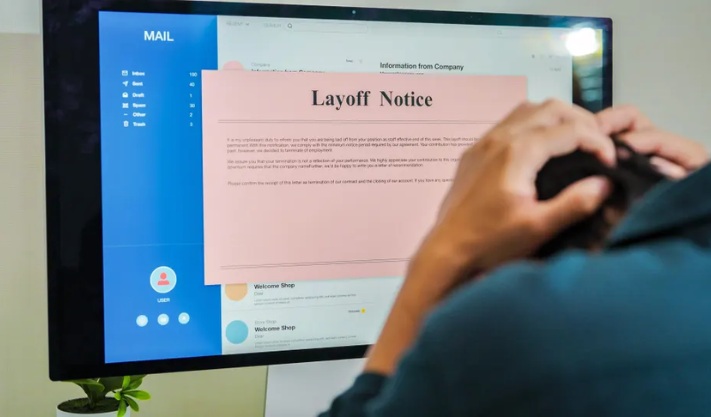
The Defining Moment for Leadership
Layoffs are among the most difficult decisions any executive must face, often serving as a defining moment that reveals the true nature of leadership. In times of economic uncertainty, market disruption, or organizational restructuring, leaders are forced to balance financial survival with human impact. While layoffs may sometimes be unavoidable, the way they are handled can either strengthen or damage an organization’s culture, reputation, and long-term success. This moment tests not just strategic thinking, but empathy, transparency, and integrity.
The Human Cost Behind the Numbers
At a glance, layoffs are often framed as numbers—percentages, headcounts, cost savings—but behind each figure is a person with responsibilities, aspirations, and challenges. Effective leaders recognize that layoffs are not merely operational decisions but deeply human events. The emotional toll on affected employees can be significant, including stress, uncertainty, and loss of identity. At the same time, those who remain may experience “survivor’s guilt,” anxiety, and declining morale. Leaders who acknowledge these human dimensions are better equipped to navigate the process responsibly.
Communication as a Leadership Tool
Clear and honest communication is one of the most critical aspects of managing layoffs. Employees deserve to understand why decisions are being made and how they will impact the organization’s future. Leaders who communicate openly, without resorting to vague language or corporate jargon—build trust even in difficult circumstances. This includes explaining the broader context, the criteria used for decisions, and the steps being taken to support those affected. Silence or poor communication, on the other hand, can lead to confusion, resentment, and a breakdown of trust.
Balancing Business Needs with Ethical Responsibility
Executives must often make layoffs to ensure the financial stability of their organizations, but ethical considerations should never be overlooked. Responsible leadership involves exploring all possible alternatives before resorting to job cuts, such as cost reductions, redeployment, or voluntary exit programs. When layoffs are unavoidable, leaders must ensure that the process is fair, consistent, and respectful. This includes providing adequate notice, fair severance packages, and support services such as career counseling or job placement assistance.
The Impact on Organizational Culture
How layoffs are handled can have a lasting impact on organizational culture. A poorly managed process can erode trust, reduce engagement, and create a culture of fear. Employees may become less willing to take risks or share ideas, fearing that their positions are insecure. Conversely, leaders who handle layoffs with transparency and compassion can reinforce a culture of respect and accountability. They demonstrate that even in difficult times, the organization values its people and upholds its principles.
Leadership Visibility During Crisis
In times of layoffs, visibility matters. Employees look to leaders for guidance, reassurance, and direction. Executives who remain distant or inaccessible risk appearing disconnected from the realities faced by their teams. On the other hand, leaders who are present—whether through town halls, one-on-one conversations, or regular updates—can provide a sense of stability. Visibility also allows leaders to listen to concerns, address questions, and adapt their approach based on feedback.
Rebuilding Trust After Layoffs
The period following layoffs is just as critical as the process itself. Remaining employees often need time and support to rebuild trust and confidence in the organization. Leaders must focus on re-engaging their teams, clarifying the company’s direction, and demonstrating a commitment to stability and growth. This may involve redefining roles, setting new goals, and investing in employee development. Rebuilding trust requires consistency between words and actions, as employees will closely observe whether leaders follow through on their commitments.
Long-Term Strategic Thinking
Layoffs should not be seen as a short-term fix but as part of a broader strategic approach. Leaders must consider how workforce reductions align with the organization’s long-term vision and goals. This includes identifying critical skills, maintaining operational capabilities, and ensuring that the organization is positioned for future growth. Poorly planned layoffs can lead to talent gaps, reduced productivity, and increased costs in the long run. Strategic thinking helps leaders avoid these pitfalls and make more informed decisions.
The Role of Empathy in Leadership
Empathy is often cited as a key leadership quality, but its importance becomes especially evident during layoffs. Leaders who demonstrate genuine concern for their employees can make a difficult situation more manageable. This involves listening actively, acknowledging emotions, and treating individuals with dignity and respect. Empathy does not mean avoiding tough decisions; rather, it means handling them in a way that recognizes the human impact and seeks to minimize harm.
Lessons for Future Leadership
Layoffs, while challenging, offer valuable lessons for leaders. They highlight the importance of proactive planning, effective communication, and ethical decision-making. Leaders who navigate layoffs successfully often emerge with a deeper understanding of their organization and its people. These experiences can shape future leadership practices, encouraging a more thoughtful and inclusive approach to decision-making.
Conclusion
Layoffs are a true test of executive leadership, revealing how leaders respond under pressure and how they balance competing priorities. While the decision to reduce staff is never easy, it provides an opportunity to demonstrate integrity, empathy, and strategic insight. By prioritizing clear communication, ethical responsibility, and long-term thinking, leaders can navigate layoffs in a way that preserves trust and positions their organizations for future success. Ultimately, it is not just the decision itself, but the manner in which it is executed, that defines effective leadership.
Also Read:-
7 Reasons Great Leadership Starts with Your Biology
Promotion-Winning Traits That Let Employees Down
Human-Led, AI-Enhanced Leadership Future