Joseph Frankie III Leadership under Fire: Why Trust, Discipline, and Narrative Define Modern Executive Power
by Timesceo
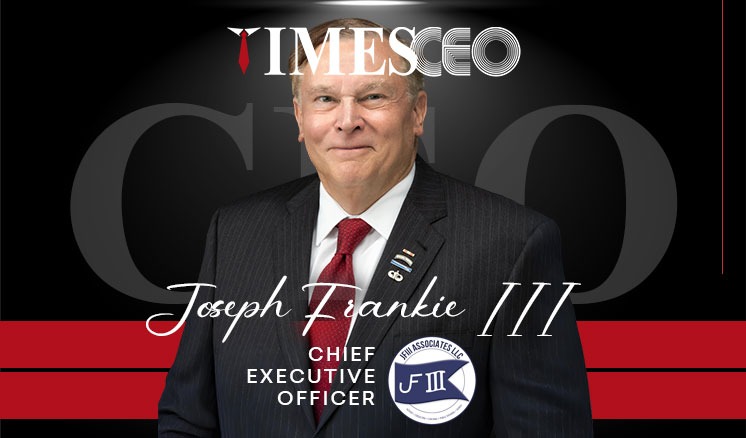
Joseph Frankie III Interview
In this exclusive interview, Joseph Frankie III shares the timeless leadership principles that have guided him from combat zones to corporate boardrooms. Emphasizing trust, clarity, and accountability, he explains why context may change, but people do not. He discusses the importance of cultural alignment in hiring, the strategic power of LinkedIn for executive visibility, and the discipline behind his “5-Minute Drill” approach. Reflecting on reinvention, pressure-tested teams, and legacy, Frankie defines modern success not by titles, but by contribution, mentorship, and preparing others to lead. His message is clear: lasting leadership is built on service, simplicity, and shared purpose.
Leadership That Transcends Environment
We started the interview by asking, “You’ve led teams in combat zones, global enterprises, and executive boardrooms. What leadership principle has remained constant across such radically different environments?”
Joseph Frankie III replied, “Context changes, people don’t. Whether in combat zones, global markets, or corporate boardrooms, leadership still rests on trust, clarity, and accountability. Titles may open doors, but they never earn commitment. Leaders earn that by listening first, communicating intent, and setting standards they personally live by. Pressure exposes culture instantly. When leaders are calm, honest, and decisive, teams follow. When leaders are vague or ego driven, teams fracture. My constant principle is simple: serve the mission by serving the people. When you invest in people, align purpose, and remove friction, teams deliver outcomes even in uncertainty. That lesson has proven universal across industries, borders, and decades of leadership experience worldwide.”
Hiring Beyond the Résumé
Times CEO Magazine: You frequently say that one size does not fit all in leadership and talent selection. What mistakes do organizations most often make here?
Joseph Frankie III replied, “Organizations often confuse impressive résumés with actual readiness. Hiring solely for pedigree ignores how individuals behave within a specific culture. Skills are teachable; character, humility, and emotional intelligence are not. I’ve seen technically brilliant leaders fail because their values conflicted with the organization’s operating reality. Culture is not what leaders say, but what they consistently reward and tolerate. Alignment between values, communication style, and decision-making expectations determines success. One-size-fits-all leadership creates friction and disengagement. Intentional alignment creates trust, adaptability, and performance. When leaders hire for fit and potential, not just credentials, teams scale faster and sustain results through change, pressure, and uncertainty over time.”
LinkedIn as a Strategic Asset
Times CEO Magazine: As a recognized LinkedIn Thought Leader, what do executives misunderstand most about LinkedIn’s role in leadership and opportunity creation?
Joseph Frankie III replied, “Most executives treat LinkedIn as a static résumé or a digital business card. That’s a missed opportunity. LinkedIn is a strategic intelligence platform where decisions form long before conversations begin. Boards, recruiters, investors, and partners quietly evaluate leaders based on clarity, consistency, and credibility. Your profile, content, and engagement communicate how you think and lead. Passivity signals stagnation; intentional presence signals relevance. LinkedIn is not about constant posting but strategic visibility. When used correctly, it becomes a force multiplier for trust, influence, and opportunity. In today’s environment, leaders who manage their narrative thoughtfully are discovered faster and remembered longer than those who remain silent.”
The Power of the 5-Minute Drill
Times CEO Magazine: Your award-winning book promotes simplicity and discipline. Why was the “5-Minute Drill” approach so important for executives?
Joseph Frankie III replied, “Executives don’t lack motivation; they lack time and focus. The 5-Minute Drill respects reality while enforcing discipline. It’s designed to eliminate noise and replace it with intentional action. Five minutes a day, applied consistently, compounds into meaningful visibility and stronger relationships. The Drill aligns daily behavior with long-term objectives without overwhelm. It’s not about chasing algorithms or vanity metrics. It’s about reinforcing credibility, staying top of mind, and nurturing strategic connections. Simplicity removes friction and increases follow-through. Small, repeatable actions outperform sporadic intensity. When leaders build disciplined routines, LinkedIn becomes a strategic tool instead of a distraction, delivering measurable outcomes without consuming valuable executive bandwidth.”
The Challenge of Executive Reinvention
Times CEO Magazine: Many of your clients are senior leaders navigating transition. What is the most difficult part of reinvention at that stage?
Joseph Frankie III replied, “The hardest part is releasing an identity built around rank, title, or legacy success. That identity once provided structure and validation, but it can become restrictive. Transition requires humility, curiosity, and honest self-assessment. Leaders must translate experience into relevance for today’s environment, not rely on past authority. This is where narrative matters. When leaders learn to articulate impact, adaptability, and learning velocity, opportunities expand. Those who cling to former titles struggle. Those who reframe their story thrive. Reinvention is not about abandoning values; it’s about expressing them in ways the current market understands and rewards. Growth begins when leaders become students again.”
Performance under Pressure
Times CEO Magazine: You’ve untangled complex, high-risk projects worldwide. What separates teams that perform under pressure from those that fail?
Joseph Frankie III replied, “Teams fail under pressure when fear replaces trust. High-performing teams share intent, communicate early, and challenge assumptions respectfully. Psychological safety allows problems to surface before they escalate. Leaders set the tone by remaining calm, transparent, and decisive when stakes rise. Knowledge must move faster than hierarchy. I emphasize rapid knowledge transfer, clear decision rights, and accountability at every level. When teams understand the mission and each other, adaptation becomes natural. Pressure doesn’t break strong teams; it reveals them. Preparation, trust, and communication determine whether a team fractures or performs when it matters most across industries, borders, crises, and high-stakes environments consistently over time.”
Redefining Success and Legacy
Lastly we asked, “After decades of leadership, mentoring, and global influence, how do you personally define success today?”
“Success today is about contribution, continuity, and preparing others to lead well. Titles and accolades fade; people and decisions endure. I measure success by whether individuals and teams perform better because of our interaction. Mentorship multiplies impact far beyond personal achievement. When leaders drive stronger cultures and capable successors, they create lasting value. Legacy lives in behaviors modeled, values reinforced, and confidence built in others. My focus is helping leaders think strategically, communicate authentically, and act with purpose. When that happens, organizations become better versions of themselves, and people are equipped to navigate uncertainty, change, and learn the full power of a team. Simul eximus – we go further together” Joseph Frankie III concluded
Connect with Joseph Frankie III on LinkedIn
For more information visit JFIII Associates
Also Read:
Atantra Dasgupta: Scaling Healthcare with Strategy
Dr. Srinivasa Rao Pundru on on global research
Tom Larsen: Value Creation via Eloro’s Polymetallic Plan