Daouda Diabatè: Guardian of African Memory & Voice of “Abedical” Music
by Timesceo
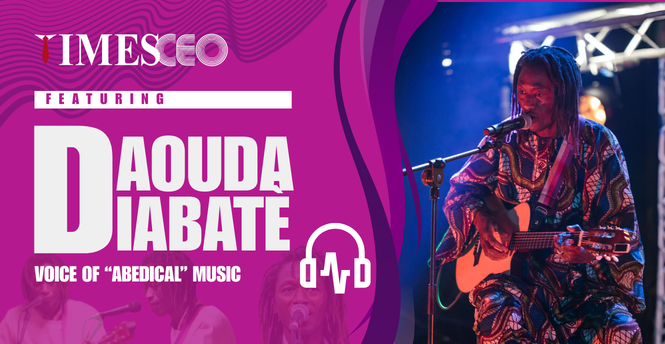
Daouda Diabatè Interview
Daouda Diabatè, born in 1974 in Ziguinchor, Casamance, Senegal, is a singer-songwriter, guitarist, and cultural custodian rooted in the ancient West African Jaly (griot/dialy) tradition. From a young age, he embraced a musical mission: not just to entertain, but to carry forward Africa’s memory through song, storytelling, and human connection.
Roots & Identity: The Heritage of a Dialy
We began by asking, “You were born into a Jaly family. How has this heritage influenced who you are as an artist?”
Daouda’s identity as a dialy – a hereditary griot means more than musical talent; it is a life calling. In his words, being born into a Jaly family is like inheriting responsibility itself. In Mandinka culture, anyone can learn the instruments, but only those born into certain lineages carry the deeper legacy preserving history, culture, and communal truth through music.
“Music is not just art for us; it is memory, education, and truth… my voice carries the stories of my ancestors and the soul of Africa.”
This sense of inherited purpose shaped him from childhood, standing on the shoulders of generations of Diabaté and Kouyaté family storytellers and musicians.
The Philosophy of “Abedical”
Times CEO Magazine: Your work is deeply connected to the idea of “Abedical.” What does it represent for you?
At the heart of Daouda’s artistic worldview is “Abedical” – a Mandinka word meaning to give the best of oneself. It’s not just a musical approach, but a personal creed: to create with honesty, generosity, and a commitment to uplift people through sound and message.
“’Abedical’ means giving your best without holding back. Through music, I try to share truth, human values, and the sense that humanity is one family.”
This philosophy drives his work across languages and cultures, aiming to build unity and empathy across listeners worldwide.
Discovery & Early Inspiration
Times CEO Magazine: You began performing seriously at a young age. What inspired you at 14?
Daouda began performing seriously at just 14 years old, feeling the call of his heritage early. Surrounded by instruments, ancestral songs, and stories in his home, he recognized that his gift was not incidental – it was his role in the continuing tradition of African cultural memory.
“There is a saying in Africa: ‘Good blood never lies.’ I knew this path was in me, but I needed to make it my own.”
Blending Traditions with Global Sounds
Times CEO Magazine: Your music connects African traditions with global influences. How do you balance this?
While deeply rooted in tradition, Daouda’s music also embraces cultural exchange and global collaboration. He sings in Mandinka, Wolof, French, English, and Spanish, reflecting his belief that music transcends linguistic and cultural barriers.
As leader of the band Toubamba – created in Barcelona and composed of musicians from diverse backgrounds – he fuses West African rhythms with elements of flamenco, pop, soul, and funk (afro-fusion) to create a sound that feels ancient and contemporary at once.
“I respect tradition deeply, but I also believe it must travel. By collaborating across cultures, African music can reach new hearts and unite people.”
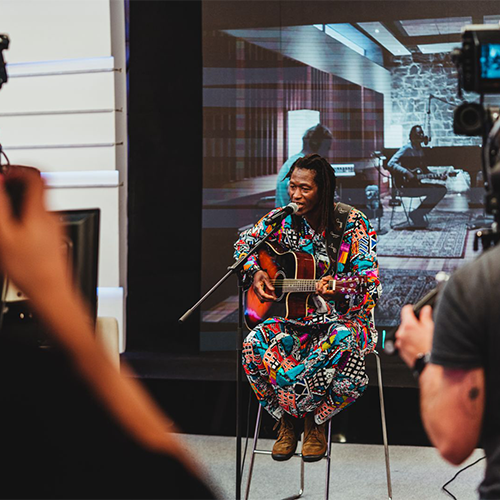
A Creative Home in Spain
Times CEO Magazine: How has living in Spain influenced your artistic journey?
Now based in Vielha, in Spain’s Aran Valley, Daouda finds creative openness and inspiration in cultural exchange. The tranquil mountain environment fosters reflection and collaboration, while access to European artistic networks broadens his reach.
His dual life – spanning Europe and Africa – allows him to maintain strong links to his roots while innovating his music and artistic impact.
Music with Meaning: Albums & Initiatives
Times CEO Magazine: What motivated initiatives like ‘Window of Smile’?
Daouda’s work extends beyond art into humanitarian engagement. He founded “Window of Smile,” a project that uses festivals and cultural events to bring communities together, celebrate diversity, and support those in need.
His discography reflects his spiritual and communal messages: A New Day (also Un Jour Nouveau / Un Día Nuevo): An album blending multiple languages and universal themes of renewal, compassion, and dignity.
Tama Silo: A later work with Toubamba that explores “modern African identity” through an even richer fusion of sounds and stories.
Daouda sees every song as an offering – a chance to inspire hope and unity.
“I hope listeners feel hope and dignity. Each song is proof that identity and unity can coexist.”
A Vision for Humanity
Finally, we asked, “What do you hope listeners feel when they hear albums like A New Day and Tama Silo?”
Across his music and humanitarian work, Daouda Diabatè embodies the belief that music is both a mirror and a bridge – reflecting cultural memory and connecting diverse people through shared emotional experience. His Abedical philosophy acts as a guiding light for a life lived in service to others through sound, story, and compassion.
Connect with Daouda Diabatè on her Social Media Platforms:
https://www.youtube.com/@abbhedicalmusic996
https://www.instagram.com/diabate3443?igsh=MXF4Y2lrZ253YTN6Yg==
https://www.facebook.com/share/17XvCLS9EG/
https://www.linkedin.com/in/daoudadiabateofficial
https://youtube.com/@abbhedicalmusic996?si=Cioy41TdzsdngN8G
https://open.spotify.com/intl-es/artist/44I70uICGE8unXOWrbuRP5
https://share.google/Ed7fkXSBFZz3cd8CX
Also Read:
Interview with Sorcha Drakeford, Design@Studio17 Founder
Ibrahim R. Gerges leading sustainable solar growth in Saudi
Jasbir Bassi: Driving Vision and Resilience at Car Fare Group