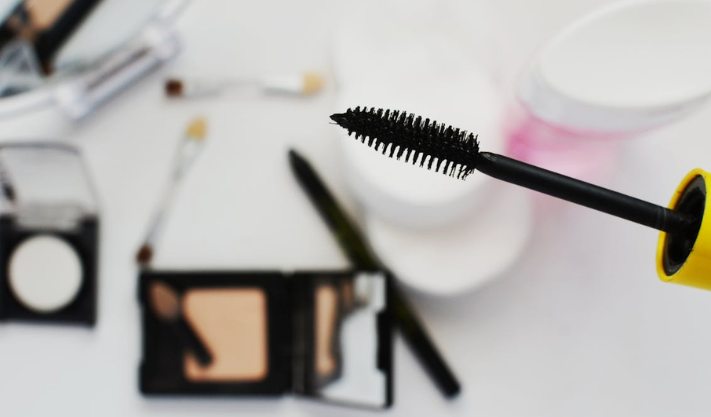
Clean Beauty Trend Boosts France’s Cosmetics Market in 2026
The clean beauty movement is rapidly transforming France’s cosmetics industry, positioning the country as a global leader in sustainable, transparent, and health-conscious skincare and makeup. As consumer demand shifts toward natural ingredients, eco-friendly packaging, and ethical production, France’s cosmetics market is experiencing renewed growth and innovation.
France, long regarded as the heart of global beauty, is leveraging its heritage and scientific expertise to lead the clean beauty revolution. From luxury brands to emerging indie labels, companies are reformulating products and embracing transparency to meet evolving consumer expectations.
France’s Cosmetics Market Embraces Clean Beauty
France has traditionally been home to some of the world’s most prestigious beauty houses, including L’Oréal, Chanel, and Dior. Now, these industry giants are investing heavily in clean beauty innovations to maintain competitiveness in a market increasingly driven by sustainability and ingredient transparency.
The clean beauty trend refers to products formulated without controversial ingredients such as parabens, sulfates, phthalates, and synthetic fragrances. French consumers, known for their discerning tastes, are increasingly prioritizing products that are not only effective but also environmentally responsible and ethically produced.
According to industry analysts, the French cosmetics market is projected to grow steadily through 2026, with clean beauty representing one of the fastest-growing segments. Demand for organic skincare, vegan formulations, and cruelty-free cosmetics has surged both domestically and internationally.
Rising Consumer Awareness and Ingredient Transparency
French shoppers are becoming more ingredient-savvy than ever. Mobile apps that decode cosmetic ingredients have empowered consumers to scrutinize product labels and make informed purchasing decisions. This growing awareness has encouraged brands to simplify formulations and clearly communicate sourcing and sustainability practices.
Brands like Yves Rocher have long emphasized botanical ingredients, but now even mainstream labels are highlighting plant-based actives and natural extracts. Clean beauty is no longer a niche market—it is becoming a standard expectation.
In pharmacies across cities such as Paris and Lyon, shelves are increasingly stocked with dermo-cosmetic products boasting high percentages of natural ingredients and environmentally friendly certifications.
Sustainability Drives Innovation
Sustainability is a core pillar of France’s clean beauty growth. Companies are investing in refillable packaging, recyclable materials, and carbon-neutral production processes. Luxury brands are redesigning packaging to reduce plastic use while maintaining their premium appeal.
Guerlain, for example, has introduced refillable perfume bottles and eco-conscious skincare lines. Meanwhile, indie brands are experimenting with solid shampoos, biodegradable glitter, and waterless beauty products to reduce environmental impact.
The French government has also supported sustainability initiatives aligned with broader European Union environmental goals. Regulations encouraging eco-design and reduced waste have further accelerated the clean beauty transition.
Export Opportunities and Global Appeal
France is the world’s largest exporter of cosmetics, and clean beauty is strengthening its competitive edge. International consumers increasingly associate French beauty with sophistication, quality, and now sustainability.
Markets in North America, Asia, and the Middle East are showing heightened interest in French clean skincare and makeup. Asian consumers, in particular, value French pharmacy brands known for dermatological expertise and minimalist formulations.
Global retailers are expanding shelf space for French clean beauty products, while e-commerce platforms allow smaller brands to reach international audiences. Social media influencers and beauty bloggers are also amplifying the visibility of French sustainable brands.
Indie Brands and Startups Fuel Market Growth
While established luxury houses dominate headlines, France’s clean beauty boom is also driven by independent brands and startups. These companies often launch with sustainability embedded in their DNA, appealing strongly to Gen Z and millennial consumers.
New brands emphasize short ingredient lists, local sourcing, and cruelty-free certifications. Many focus on direct-to-consumer online models, allowing them to build loyal communities through transparency and storytelling.
French clean beauty startups are also attracting venture capital investment. Investors see strong growth potential as consumer preferences continue shifting toward ethical consumption.
Clean Beauty Meets Science
France’s reputation for scientific excellence in skincare remains a crucial advantage. Rather than abandoning innovation, clean beauty brands are blending natural ingredients with advanced research to deliver proven results.
Dermatological testing, clinical trials, and biotech-derived actives are becoming increasingly common in clean formulations. This science-backed approach differentiates French brands from competitors that rely solely on marketing claims.
Laboratories across France are developing sustainable alternatives to synthetic ingredients, including plant-based preservatives and green chemistry solutions. This fusion of tradition, science, and sustainability reinforces France’s leadership in the global cosmetics industry.
Challenges Facing the Clean Beauty Movement
Despite rapid growth, the clean beauty segment faces challenges. The term “clean” itself lacks a universal regulatory definition, leading to potential confusion and greenwashing concerns.
Industry experts warn that brands must maintain transparency and avoid exaggerated claims. Clear labeling, third-party certifications, and standardized sustainability metrics will be essential to preserving consumer trust.
Additionally, reformulating products to meet clean standards can increase production costs. Companies must balance sustainability goals with affordability to remain competitive in a price-sensitive market.
Retail Transformation and Digital Growth
The retail landscape in France is also evolving. Traditional beauty counters are integrating digital tools to provide ingredient information and sustainability ratings. Online sales of clean beauty products have grown significantly, accelerated by consumer comfort with e-commerce.
Omnichannel strategies—combining physical stores with robust online platforms—are helping brands expand reach while maintaining personalized customer experiences.
Subscription models and refill stations in select boutiques further reinforce eco-friendly practices and customer loyalty.
Future Outlook for France’s Cosmetics Market
Looking ahead to 2026 and beyond, analysts predict that clean beauty will move from trend to industry standard in France. Brands that fail to adapt risk losing relevance in an increasingly conscious marketplace.
Sustainability, ingredient transparency, and ethical sourcing are expected to shape product development strategies across all price segments—from luxury to mass market.
France’s unique combination of heritage, scientific expertise, and environmental awareness positions it strongly for continued leadership. As global consumers demand more responsible beauty solutions, French brands are poised to deliver.
Conclusion
The clean beauty trend is not just reshaping consumer preferences—it is redefining France’s cosmetics industry. With major players like L’Oréal embracing sustainability alongside agile startups pushing innovation boundaries, the sector is entering a new era of responsible growth.
Driven by ingredient transparency, eco-conscious packaging, and science-backed formulations, France’s cosmetics market is thriving in the age of clean beauty. As sustainability becomes central to beauty standards worldwide, France stands at the forefront of this transformative movement, setting benchmarks for quality, innovation, and environmental responsibility.
Also Read:
How Leaders Can Close the Trust Gap in Today’s Workplace
How Leaders Can Stay Ahead When AI Feels Smarter
How Energy Prices Are Affecting the French Economy