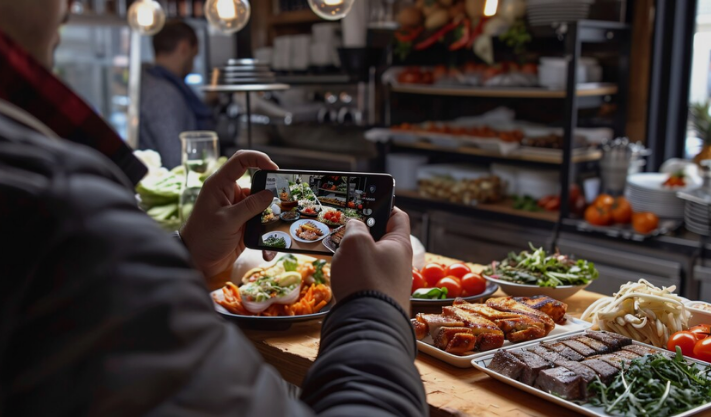
What Are the Top 10 Food Business Opportunities?
If you are wondering what the top 10 food business opportunities are, some of the most practical options include cloud kitchens, home-based food businesses, tiffin and meal-prep services, food trucks, catering businesses, bakeries, cafés, packaged food brands, specialty food stores, and food stalls or pop-ups.
The best food business for you depends on your budget, location, cooking skills, target customers, and preferred business model. You do not necessarily need a large restaurant to enter the food industry. Smaller models such as home kitchens, catering, meal subscriptions, and specialty food products can help entrepreneurs test demand before making a larger investment.
What Are the 10 Best Food Business Ideas?
Here are the top 10 food business opportunities to consider:
- Cloud Kitchen – Delivery-focused food business without a traditional dining room
- Home-Based Food Business – Homemade meals, snacks, desserts, and specialty products
- Tiffin and Meal-Prep Service – Regular meals for workers, students, families, and other customers
- Food Truck – Mobile food business with a focused menu
- Catering Business – Food services for weddings, parties, offices, and events
- Bakery or Dessert Business – Cakes, bread, pastries, cookies, and desserts
- Café or Coffee Shop – Coffee, tea, breakfast, snacks, and light meals
- Packaged Food Brand – Snacks, sauces, spices, pickles, jams, and other packaged products
- Specialty Food Store – Regional, organic, healthy, imported, or niche food products
- Food Stall or Pop-Up – Small food business operating at markets, festivals, events, and busy locations
What Is a Cloud Kitchen Business?
A cloud kitchen is a food business that focuses mainly on delivery and does not have a traditional dine-in restaurant. Customers place orders through delivery platforms or the business’s own ordering system.
Cloud kitchens can reduce the need for expensive dining space and allow entrepreneurs to focus on food preparation, packaging, delivery, and online marketing. Some businesses also operate multiple virtual food brands from one kitchen.
Best for: Entrepreneurs with limited space who want to focus on food delivery.
What Is a Home-Based Food Business?
A home-based food business involves preparing and selling food from a home kitchen or permitted small production setup.
Popular products include homemade snacks, cakes, cookies, pickles, sauces, chocolates, traditional sweets, local delicacies, and ready-to-eat meals.
This model can be useful for testing a food concept without immediately investing in a restaurant or commercial storefront. However, entrepreneurs should check the food-safety, licensing, packaging, labeling, and local requirements that apply to their business.
Best for: New entrepreneurs, home cooks, bakers, and specialty food creators.
What Is a Tiffin or Meal-Prep Business?
A tiffin or meal-prep business provides prepared meals to customers on a daily, weekly, or monthly basis.
Potential customers include office workers, students, families, hostel residents, and people looking for convenient home-style meals.
A subscription-based model can encourage repeat orders instead of relying entirely on one-time purchases. You can specialize in vegetarian meals, regional cuisine, healthy food, office lunches, or customized meal plans.
Best for: Home chefs and entrepreneurs looking for recurring customers.
What Is a Food Truck Business?
A food truck is a mobile food business that prepares and sells food from a specially equipped vehicle.
Food trucks can operate at permitted locations near offices, colleges, markets, festivals, events, and other high-footfall areas.
One major advantage is mobility. Instead of depending on one permanent location, a food truck can potentially move toward areas with stronger customer demand.
A focused menu is usually easier to manage than a large restaurant menu. Popular concepts include burgers, regional street food, sandwiches, desserts, coffee, and quick meals.
Best for: Entrepreneurs who want mobility and a focused food concept.
What Is a Catering Business?
A catering business prepares and serves food for events such as weddings, corporate functions, birthdays, private parties, and community gatherings.
Catering can start on a small scale and grow as the customer base increases. You can specialize in wedding catering, corporate meals, home parties, regional cuisine, desserts, or specific dietary requirements.
Unlike a restaurant, catering businesses often receive orders in advance, which can make it easier to plan ingredients, staff, and preparation.
Best for: Experienced cooks, event planners, and organized entrepreneurs.
Is a Bakery a Good Food Business Opportunity?
Yes, a bakery can be a good food business opportunity when you have a clear product niche and consistent quality.
You can specialize in cakes, artisan bread, cookies, pastries, cupcakes, traditional sweets, or customized celebration cakes.
A small bakery can begin with pre-orders through social media and local networks before investing in a physical store.
Best for: Bakers, dessert makers, and creative food entrepreneurs.
What Is a Café Business?
A café sells beverages such as coffee and tea along with snacks, breakfast items, desserts, or light meals.
A successful café requires more than good coffee. Location, pricing, customer experience, menu quality, service speed, seating, branding, and repeat customers can all influence the business.
Entrepreneurs with a smaller budget can consider a takeaway coffee counter or compact café instead of a large dine-in establishment.
Best for: Entrepreneurs interested in beverages, hospitality, and customer experience.
What Is a Packaged Food Business?
A packaged food business produces food products that customers can buy and store, such as snacks, sauces, spices, pickles, jams, ready-to-cook products, and specialty foods.
This model can provide opportunities for online sales and retail distribution. However, businesses need to consider production, shelf life, packaging, labeling, food safety, storage, and regulatory compliance.
Starting with one or two products can make it easier to test the market before expanding.
Best for: Entrepreneurs who want to build a scalable food brand.
What Is a Specialty Food Store?
A specialty food store focuses on a specific food category or customer group rather than selling every type of food.
Examples include organic foods, regional delicacies, imported ingredients, healthy snacks, premium spices, traditional sweets, and specialty beverages.
A clearly defined niche can help a business differentiate itself from conventional grocery stores.
Best for: Entrepreneurs with strong knowledge of a particular food category or local market.
What Is a Food Stall or Pop-Up Business?
A food stall or pop-up is a small temporary or semi-permanent food operation that sells a focused menu at markets, festivals, fairs, events, or busy locations.
This model can be useful for testing a new food concept before committing to a permanent restaurant. Entrepreneurs can experiment with menu items, prices, branding, packaging, and customer preferences.
A successful pop-up can also help create awareness for a new food brand.
Best for: New entrepreneurs who want to test an idea before making a larger investment.
What Is the Cheapest Food Business to Start?
Home-based food businesses, small tiffin services, and food stalls can generally require less infrastructure than restaurants or large cafés. However, actual startup costs depend on your location, equipment, ingredients, packaging, rent, staff, permits, and business size.
Instead of choosing only the cheapest option, consider which business can test customer demand with the lowest financial risk.
For example, you could test a bakery through pre-orders or test a food concept through a pop-up before investing in a permanent location.
What Is the Best Food Business for Beginners?
For beginners, home-based food businesses, tiffin services, small catering operations, and pop-ups can be practical starting points.
Your choice should depend on your skills and resources.
- If you are a good cook, consider tiffin services or catering.
- If you enjoy baking, consider a home bakery.
- If you have a strong delivery concept, consider a cloud kitchen.
- If you want to test a unique food idea, consider a pop-up or food stall.
Starting small can help you understand your customers before making a larger investment.
What Should You Consider Before Starting a Food Business?
Before investing in a food business, consider these important factors:
- Target customers: Who will buy your food?
- Location: Where are your potential customers?
- Menu: Can you produce your food consistently?
- Pricing: Does your price cover your total costs?
- Competition: What makes your business different?
- Startup costs: Consider equipment, ingredients, packaging, rent, permits, marketing, and working capital.
- Food safety: Understand the licenses and regulations applicable to your business.
- Delivery: Decide whether you will offer delivery, takeaway, dine-in, or a combination.
- Repeat purchases: Identify products customers are likely to buy regularly.
- Marketing: Plan how customers will discover your business online and offline.
A food business can be profitable, but profitability depends on managing food costs, labor, rent, packaging, delivery fees, utilities, marketing, waste, and other operating expenses.
What Are the Top 10 Food Business Opportunities? Quick Answer
The top 10 food business opportunities are:
Cloud Kitchen – Meals prepared primarily for delivery without a traditional dining room.
Home-Based Food Business – Homemade meals, snacks, sweets, desserts, and specialty products.
Tiffin or Meal-Prep Service – Prepared meals supplied regularly to individuals, offices, students, and families.
Food Truck – A mobile food business with a focused menu.
Catering Business – Food preparation and service for weddings, parties, corporate events, and celebrations.
Bakery – Cakes, bread, cookies, pastries, cupcakes, and other baked products.
Café – Coffee, tea, drinks, snacks, breakfast, and light meals.
Packaged Food Brand – Snacks, sauces, spices, pickles, jams, and other packaged products.
Specialty Food Store – Niche products such as organic, regional, premium, healthy, or imported foods.
Food Stall or Pop-Up – Small food businesses operating at markets, festivals, events, and high-footfall locations.
FAQs
What Is the Best Food Business to Start?
The best food business is one that matches your skills, budget, location, and customer demand. Home-based food businesses, tiffin services, catering, and pop-ups can be practical starting points for beginners.
Which Food Business Is Most Profitable?
There is no single food business guaranteed to be the most profitable. Profitability depends on pricing, food costs, rent, labor, sales volume, waste, delivery expenses, marketing, and customer retention.
What Food Business Can I Start With Low Investment?
Tiffin services, home-based baking, homemade snacks, small-scale catering, and food stalls can require less infrastructure than a full-service restaurant. Actual startup costs vary by location and business model.
Is a Cloud Kitchen a Good Business?
A cloud kitchen can be a good business when there is sufficient local demand for delivery and the operator can control food, packaging, marketing, and delivery costs.
Is a Restaurant Better Than a Food Truck?
A food truck offers greater mobility and may require less permanent space, while a restaurant provides a fixed location and dine-in experience. The better option depends on your concept, budget, target market, and local regulations.
What Food Business Can I Start From Home?
You can consider tiffin services, baked goods, homemade snacks, sauces, pickles, sweets, meal preparation, and other permitted food products. Always check the food-safety and licensing requirements in your area before selling.
How Can I Start a Food Business With Low Risk?
Start small, test your menu, collect customer feedback, track repeat orders, and understand your costs before making a large investment. A limited weekly menu, pre-order model, small batch, or pop-up can help validate demand first.
Final Thoughts
The best food business opportunities range from low-overhead home businesses to scalable packaged-food brands and established restaurant formats.
If you have limited resources, a tiffin service, home-based food business, or food stall may be a practical starting point. If you want to build a delivery-focused concept, a cloud kitchen or food truck may be worth considering. Entrepreneurs with more experience may explore catering, cafés, bakeries, or packaged food brands.
The goal is not simply to choose the trendiest food business idea. Choose a model that solves a real customer problem, fits your budget, has manageable operating costs, and gives you a realistic way to test demand.
Start with one focused concept, test it with real customers, track your costs and sales, and expand only when the business model proves itself.
Also Read:-
What Should You Know Before Selling Your Business?
What Are the Biggest Business Opportunities in Fashion?
What Are the Most Profitable Energy Business Opportunities?