A High-Stakes Pause in a Volatile Conflict
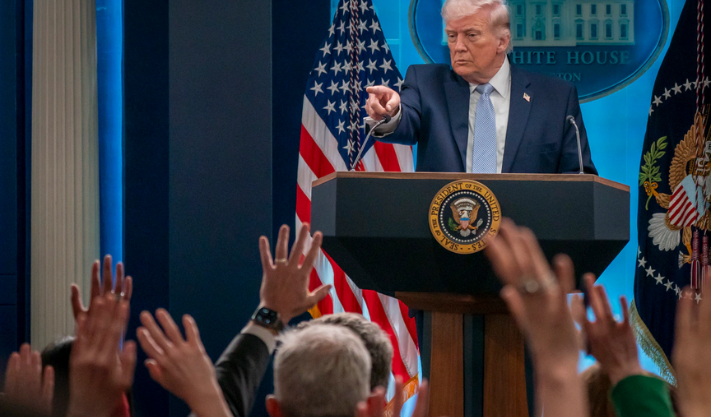
In a dramatic shift from imminent escalation to cautious diplomacy, former U.S. President Donald Trump agreed to halt military attacks on Iran for a period of two weeks, contingent upon Tehran reopening the strategically vital Strait of Hormuz. This decision came at a critical moment, just hours before a potential expansion of military operations, signaling a deliberate pause in a conflict that had rapidly intensified. The agreement reflects a fragile but significant attempt to reduce tensions while opening the door to broader negotiations that could reshape regional stability.
The Brink of Escalation
Leading up to the ceasefire proposal, tensions between the United States and Iran had reached a dangerous peak. Military threats, retaliatory strikes, and aggressive rhetoric had created an environment where full-scale conflict seemed imminent. The United States had prepared for extensive attacks targeting Iranian infrastructure, while Iran signaled its readiness to respond forcefully.
The situation was further complicated by the closure of the Strait of Hormuz, a critical global shipping route responsible for transporting a significant portion of the world’s oil supply. This disruption not only heightened geopolitical tensions but also sent shockwaves through global energy markets, pushing oil prices higher and increasing economic uncertainty.
The Ceasefire Proposal and Its Conditions
The agreement to suspend attacks for two weeks was not unconditional. It hinged on Iran’s commitment to fully and immediately reopen the Strait of Hormuz, ensuring safe passage for global oil shipments. This condition highlights the central role of the strait in the conflict, as control over this narrow waterway provides significant strategic leverage.
Trump’s decision to delay military action was influenced by ongoing diplomatic discussions and a proposal reportedly put forward through mediation efforts. The ceasefire is designed as a “double-sided” arrangement, meaning both parties are expected to adhere to the terms simultaneously.
This temporary halt in hostilities serves as a confidence-building measure, allowing both sides to step back from confrontation while exploring the possibility of a more comprehensive agreement.
The Strategic Importance of the Strait of Hormuz
The Strait of Hormuz is one of the most critical chokepoints in the global energy system. Approximately one-fifth of the world’s oil supply passes through this narrow passage, making it indispensable to international trade and economic stability. Any disruption to its operations has immediate and far-reaching consequences.
By agreeing to reopen the strait, Iran addresses one of the primary concerns of the international community. For the United States, ensuring the free flow of energy resources through this corridor is a key strategic objective. The ceasefire, therefore, is not just about halting military action—it is about restoring stability to a vital component of the global economy.
The Role of Diplomacy and Mediation
Behind the scenes, diplomatic efforts played a crucial role in achieving this temporary truce. Mediation by international actors, particularly Pakistan, helped bridge communication gaps and facilitate negotiations at a critical moment. These efforts underscore the importance of third-party involvement in de-escalating conflicts that carry global implications.
The proposal for a two-week pause was intended to give diplomacy a chance to succeed, providing a narrow but essential window for discussions. This approach reflects a broader recognition that military solutions alone cannot resolve complex geopolitical disputes.
Economic and Market Reactions
The announcement of the ceasefire had an immediate impact on global markets. Oil prices, which had surged due to fears of prolonged disruption, began to stabilize as the prospect of resumed shipping through the Strait of Hormuz became more likely.
Financial markets also responded positively, with investor sentiment improving as geopolitical risks appeared to ease. However, the temporary nature of the agreement means that uncertainty remains, and markets are likely to remain sensitive to further developments.
The reopening of the strait is expected to clear a backlog of oil shipments that had been stranded due to the conflict, further contributing to market stabilization.
Political Reactions and Strategic Calculations
The decision to halt attacks has sparked a wide range of political reactions. Supporters view it as a pragmatic move to avoid unnecessary escalation and create opportunities for negotiation. They argue that the pause demonstrates strategic restraint and a willingness to pursue diplomatic solutions.
Critics, however, question the timing and consistency of the decision. Some view the abrupt shift from aggressive threats to a temporary truce as a sign of uncertainty in policy direction. Others raise concerns about whether the ceasefire will hold and whether it addresses the underlying causes of the conflict.
For both the United States and Iran, the agreement is also a strategic calculation. It allows each side to maintain its position while avoiding the immediate risks of escalation, reflecting a delicate diplomacy.
Risks and Fragility of the Truce
Despite its significance, the ceasefire remains highly fragile. Temporary agreements in high-stakes conflicts are inherently vulnerable to breakdowns. Any violation of the terms, whether intentional or accidental, could quickly lead to renewed hostilities.
The limited duration of the truce—just two weeks—adds to the uncertainty. This short timeframe places pressure on negotiators to make meaningful progress quickly. If discussions fail to produce results, the risk of escalation could return with even greater intensity.
Additionally, the involvement of multiple regional actors and ongoing conflicts in the Middle East further complicates the situation. The ceasefire addresses only a specific aspect of the broader conflict, leaving many underlying issues unresolved.
Opportunities for a Broader Agreement
While the challenges are significant, the ceasefire also presents an opportunity for progress. Both sides have indicated a willingness to consider further negotiations, with proposals already being discussed.
This period of reduced tensions allows for dialogue that could lead to more comprehensive agreements addressing key issues such as security, economic sanctions, and regional stability. The success of these efforts will depend on the ability of both parties to engage constructively and make necessary compromises.
Conclusion: A Critical Window for Diplomacy
The agreement to halt attacks for two weeks in exchange for reopening the Strait of Hormuz represents a critical moment in a volatile conflict. It reflects a shift from immediate confrontation to cautious diplomacy, offering a chance to stabilize the situation and explore pathways toward peace.
However, the outcome remains uncertain. The truce is a temporary measure, and its success will depend on what happens during this narrow window of opportunity. Whether it leads to lasting change or merely delays further conflict will be determined by the actions and decisions of all parties involved.
For now, the world watches closely, aware that the stakes extend far beyond the region—impacting global markets, energy security, and the broader balance of international relations.
Also Read:
the-90-minute-ceo-structuring-your-day-for-peak-leadership-performance
Do colleges teach students to be good leaders or just followers?
5 Leadership Questions to Scale AI with Trust